Intelligence Hub

Stay ahead of the curve with the latest insights, threat analysis, and security best practices.

Introduction

Malware refers to dangerous programs created to damage computers, steal data, or gain unauthorized access to a system. The term "malware" comes from "malicious software." Often, people think that malware only refers to viruses, but it is actually a broader term that encompasses several different types: Viruses – They attach themselves to a file and activate when that file is opened. Worms – They spread automatically through networks without the need for user intervention. Trojans – They appear as normal programs but are actually dangerous. Ransomware – It blocks data and demands money to restore it. Spyware – It spies on the user without their knowledge (e.g., tracking passwords).
Morris Worm (1988)
Malware Jun 04, 2026

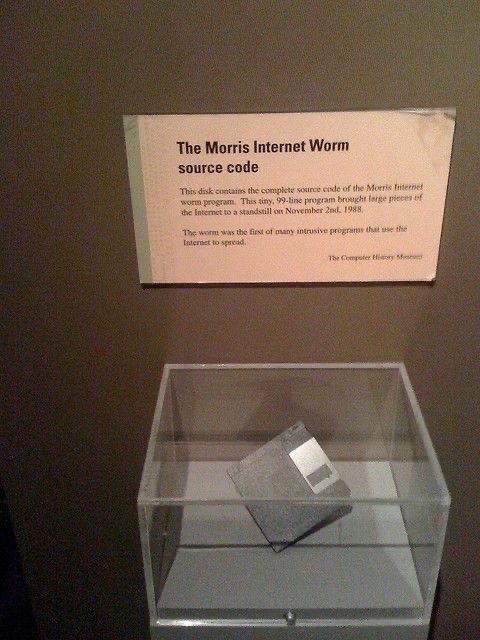
Morris Worm (1988)

This was one of the first cases of malware spreading across the internet. Although it was not created to cause major damage, a bug in the code caused computers to overload and stop...

Read Full Article

ILOVEYOU (2000)
Malware Jun 04, 2026

ILOVEYOU (2000)

This malware spread via email with a subject line that appeared to be a love letter. Many people opened it and, without realizing it, spread it further. It deleted important files...

Read Full Article
Stuxnet (2010)
Malware Jun 04, 2026

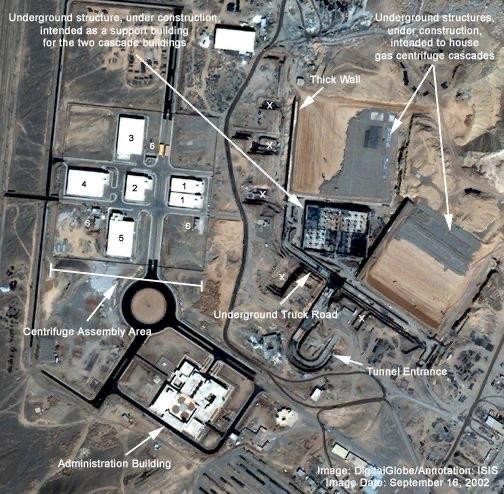
Stuxnet (2010)

A highly advanced malware that was used to attack industrial devices. This case demonstrated that cyberattacks can also cause real-world damage in the physical world.

Read Full Article
WannaCry (2017)
Malware Jun 04, 2026

WannaCry (2017)

A ransomware that spread very rapidly across the entire world. It locked various systems and demanded payment to unlock them.

Read Full Article
Emotet (2014–2021)
Malware Jun 04, 2026

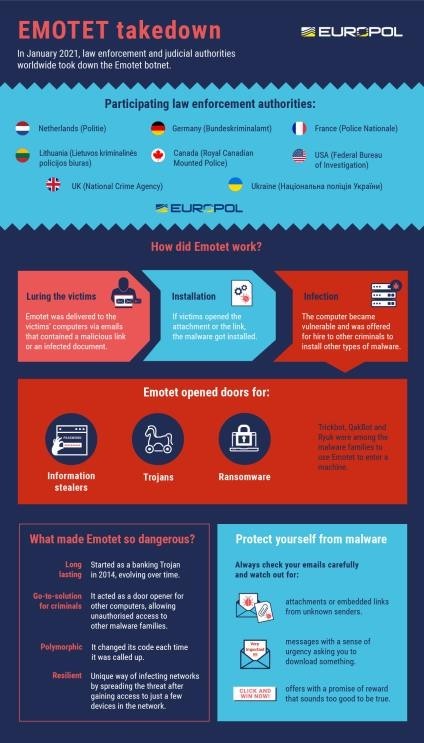
Emotet (2014–2021)

It started as a banking Trojan to steal data, but later became much more dangerous. It served as a gateway for other attacks and was very difficult to stop. It was only halted afte...

Read Full Article